
SUSTAINABLE METHANE MITIGATION FOR MARGINAL AND LEGACY WELLS
Marginal and legacy wells, often located in remote areas with limited infrastructure, represent a significant opportunity for more sustainable reclamation. These older wells, which are not abandoned but have declining production, present unique challenges in terms of power access and meeting modern environmental standards. The lack of reliable power makes it difficult to revitalize these sites. However, solutions like Cordova Methane Control’s VentHawk CH4 and BurnerHawk are changing the game.
The Challenge of Power for Older Wells
Most marginal and legacy oil wells in the U.S. are situated in areas with little to no access to the power grid. This presents a significant opportunity for operators looking to reclaim these wells and align their production with modern environmental goals. Technologies that can operate without a consistent power source have traditionally been unavailable or prohibitively expensive, slowing the adoption of more sustainable practices on these sites.
Further complicating matters are the regulatory pressures and environmental concerns associated with older wells. These sites have historically been scrutinized for their methane (CH4) and carbon dioxide (CO2) emissions. For operators managing marginal or legacy wells, the goal is to find a cost-effective way to reduce emissions and improve efficiency without relying on a power grid. This is where self-sufficient technologies become essential.
VentHawk CH4 and BurnerHawk: Solutions for Sites with Limited Power
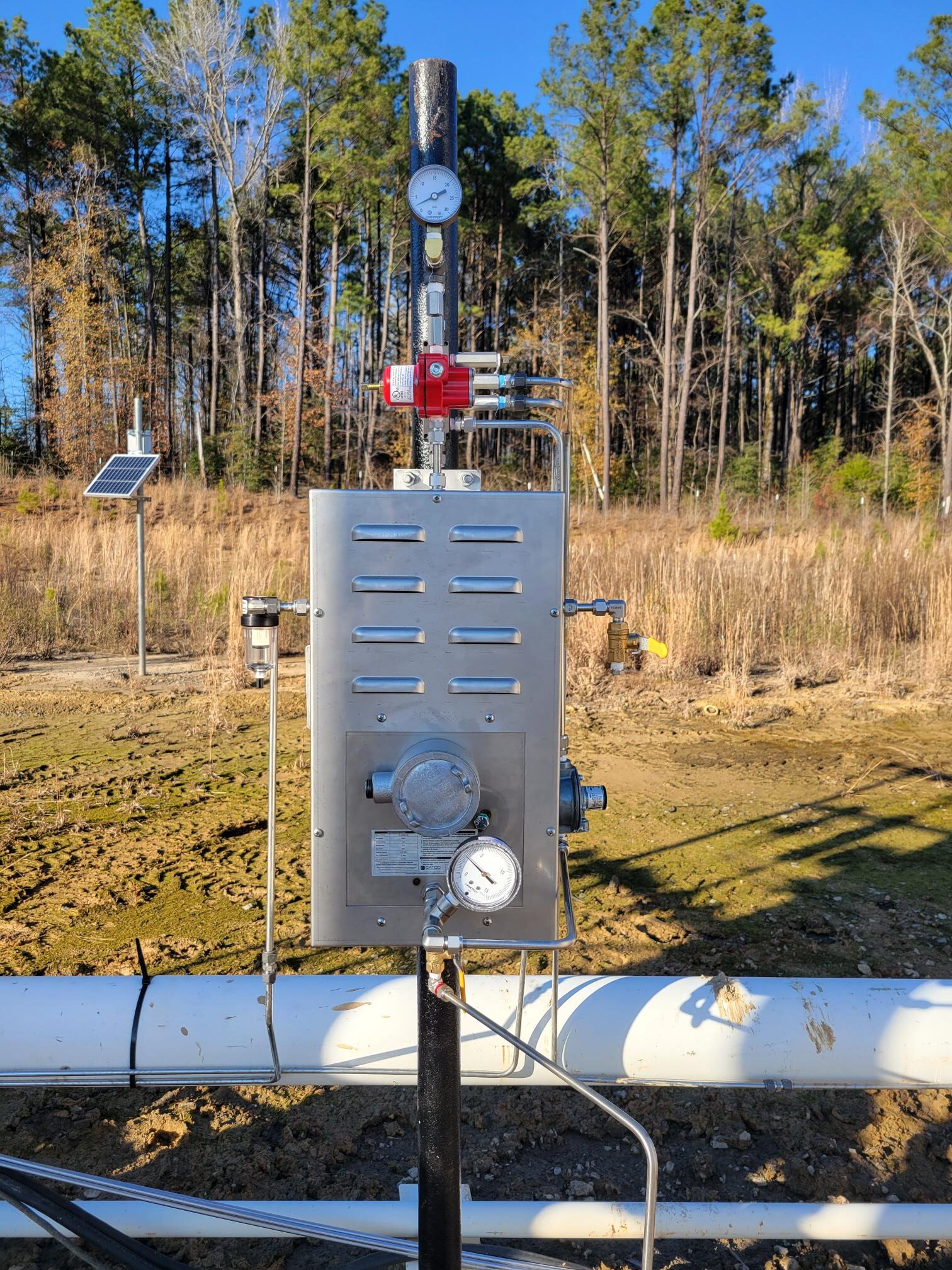
The VentHawk CH4 is engineered specifically for the challenges of remote and power-limited operations. This technology provides a standalone solution to meet regulatory compliance and environmental goals.
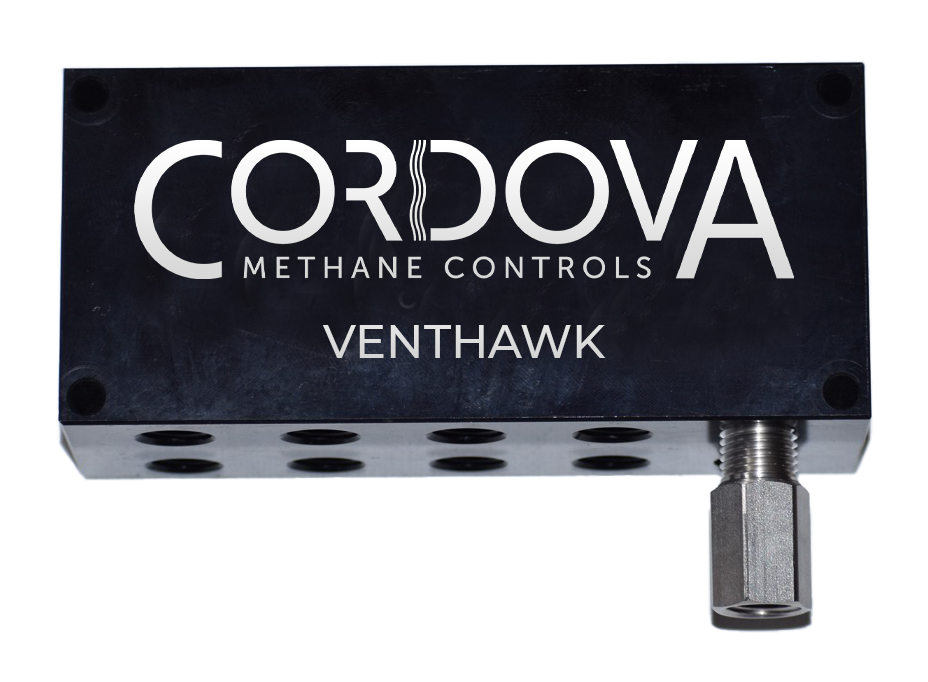
When no on-site power is available, the VentHawk manifold can be routed into the VentHawk CH4 catalytic heater. In this configuration, the unit accepts and utilizes vent gas to heat the pneumatic gas that operates the valve or controller it serves. It simultaneously uses any excess vent gas, ensuring nothing is wasted. The VentHawk CH4 acts as a standalone technology with a constant heat source, creating a closed-loop system that is both efficient and environmentally responsible.
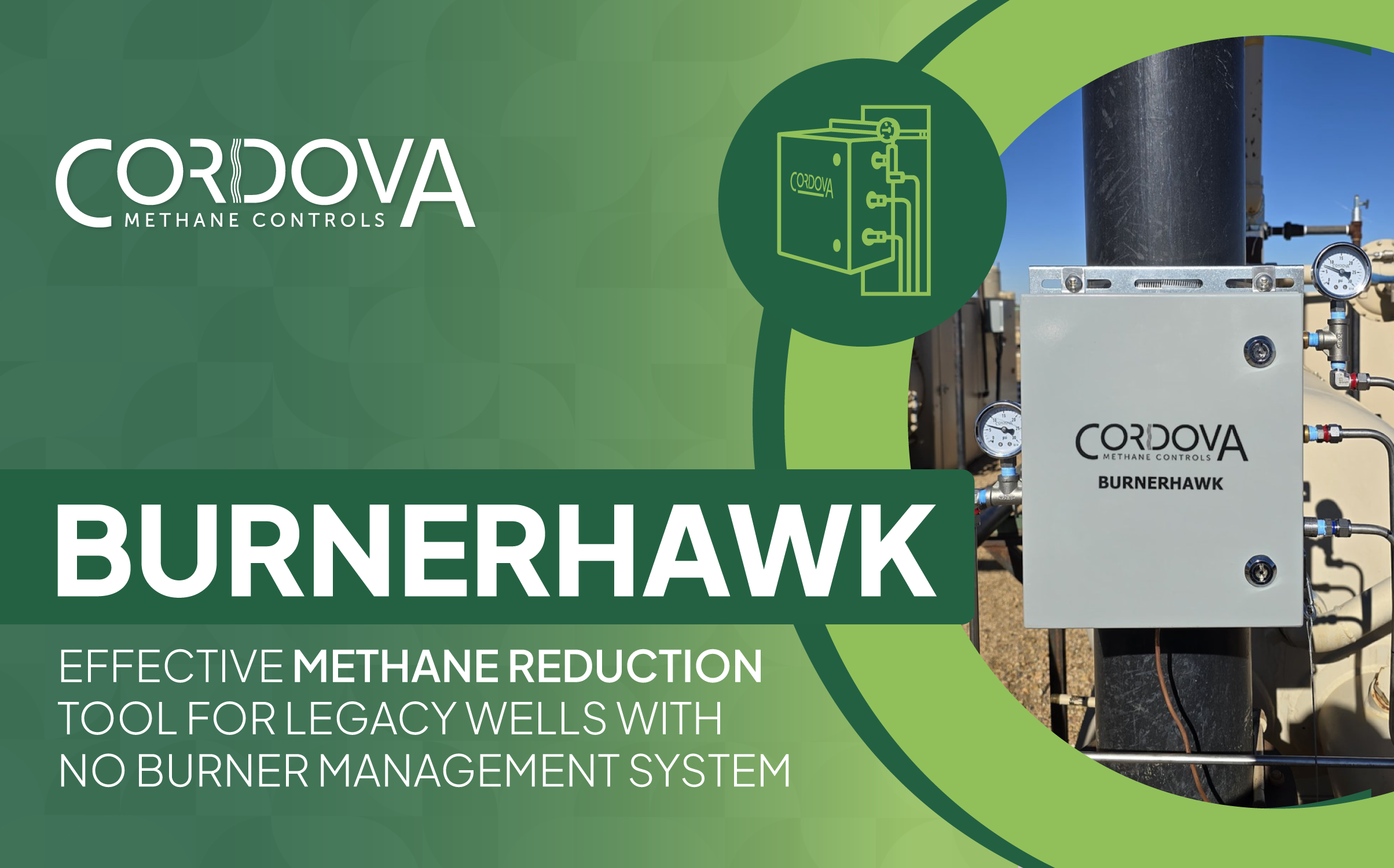
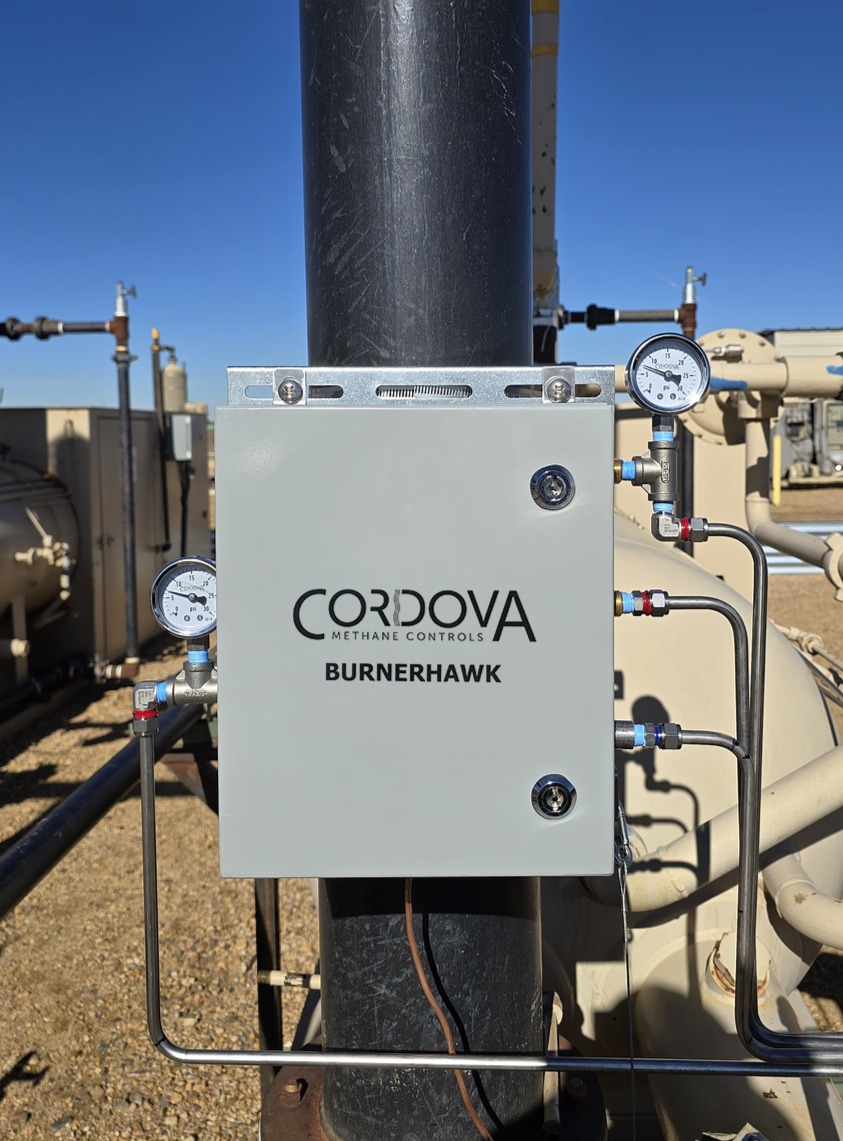
The BurnerHawk is an emissions control product that assists operators in preventing major methane releases. The system recognizes when a pilot flame is extinguished and uses pneumatic principles to shut off the gas supply to both the pilot and main burner, preventing what could easily be a major methane release event. The system is ideal for legacy wells without a Burner Management System (BMS) and requires no solar, grid power or electronics to operate. BurnerHawk can provide an alarm status that can assist in process flow shut down. With only a 1-hour installation, BurnerHawk is a quick and effective solution for operators.
Key Benefits for Marginal and Legacy Wells:
- No Power Grid Needed: The technologies operate effectively in remote locations using solar or its own process gas.
- Reduces Methane Emissions: Captures and utilizes vent gas, helping meet regulatory requirements and environmental targets.
- Regulatory Compliance: The VentHawk CH4 is accepted as a compliance option in states like Colorado and New Mexico and helps operators meet OOOOb and OOOOc requirements.
Gain Confidence in Your Remote Operations
Methane mitigation for marginal and legacy wells no longer has to be a choice between profitability and environmental responsibility. With the VentHawk CH4 and BurnerHawk, operators can achieve both. Integrating these technologies provides operators with the tools they need to maintain efficiency, ensure compliance and safely manage their most remote assets. Contact the Cordova Methane Controls team to learn how the VentHawk CH4 and BurnerHawk can be customized for your marginal and legacy well sites.