TEG + VENTHAWK

Thermoelectric Generators (TEG) + VentHawk Pneumatic Vent Gas Add-On

TEG + Venthawk
Cordova Methane Controls logo.

Cordova Methane Controls and Global Power Technologies have partnered to provide a solution for operators with limited or no power resources on-site. Generate power and reduce methane emissions simultaneously.

TEG + VENTHAWK

Thermoelectric Generators (TEG) + VentHawk Pneumatic Vent Gas Add On

TEG + Venthawk

Ideal for legacy and smaller well sites, a TEG combined with a VentHawk can offer the simplest and most cost effective solution to decreasing vented methane to meet regulatory requirements and generate power on-site.

Standalone Unit
Simple to Operate
(Unmanned Site Operation)
Field Proven
Small Footprint
Produces Power
Standalone Unit
Simple to Operate
(Unmanned Site Operation)
Field Proven
Small Footprint
Produces Power

Applications

  • Onshore Upstream Well Heads
  • Midstream Pipelines

Beneficial Use

DC power generated can be used to charge batteries, power instruments and provide power to solar bank.
TEG + VentHawk FAQ

TEG + VentHawk pairs a thermoelectric generator (TEG) with a VentHawk pneumatic vent gas capture system. It eliminates vented methane from pneumatic controllers while simultaneously generating DC power for on-site instrumentation with no grid or solar power required.

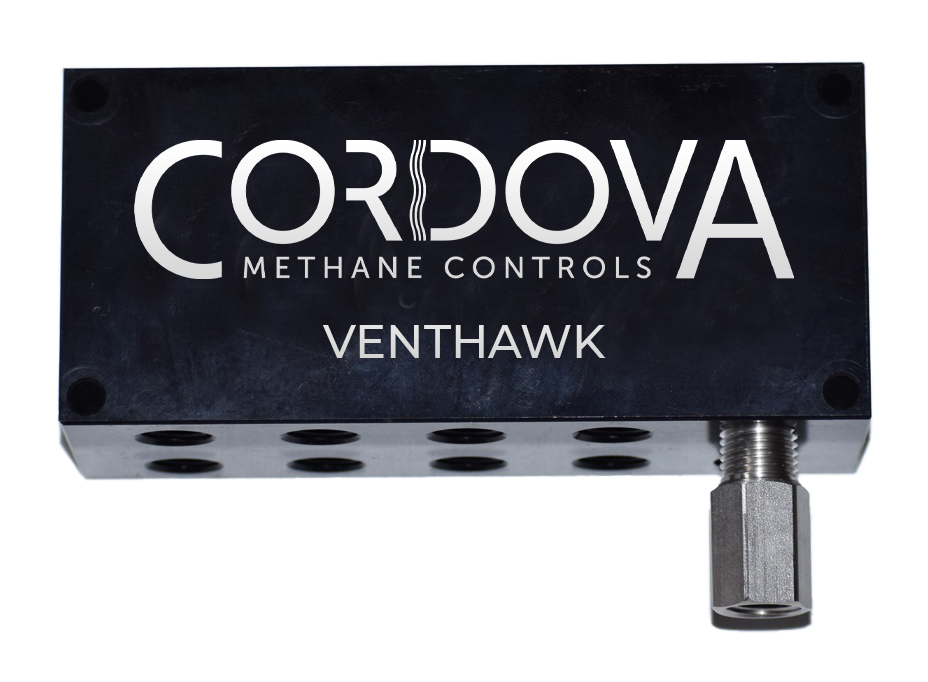
VentHawk captures exhaust gas from pneumatic controllers, including level controllers, dump valves, high/low controller dump valves and pneumatic temperature controllers, and routes it to the TEG as fuel. Each VentHawk unit handles up to 8 vent gas inputs.

TEG + VentHawk is designed for onshore upstream wellheads and midstream pipelines, particularly legacy and smaller well sites with limited or no existing power infrastructure.

The TEG converts heat from combusting the captured vent gas into DC power, making the system self-sufficient. No external power source is needed. The vent gas itself fuels the generator.

TEG + VentHawk addresses methane regulatory requirements by eliminating pneumatic venting while simultaneously generating usable on-site power, removing the need for separate power infrastructure and reducing overall site operating costs.